

“I've built a great relationship with this team and truly enjoy working with them. The staff is approachable, compassionate, and genuinely invested in the people they serve. They communicate openly, follow through, and treat both clients and referral partners with respect and care. It's clear that recovery is more than a job to them—it's a mission. I trust this program and feel confident referring individuals knowing they'll be supported every step of the way!”
BlogIn-Network With Major Insurance
Alcohol vs MDMA: Differences, Risks, and Effects
A clinical comparison of alcohol and MDMA — how each affects the central nervous system, what co-use looks like, and how treatment addresses both substances.
- Answered 24/7, every call
- 100% confidential — HIPAA & 42 CFR Part 2
- Adults 18+ · dual-diagnosis welcome
Accredited, Licensed & Trusted Since 2018
- 4.8 ★★★★★
125+ verified Google reviews  The Joint CommissionGold Seal of Approval
 South CarolinaDept. of Public Health
 ConnecticutDept. of Public Health
Alcohol and MDMA (3,4 methylenedioxymethamphetamine, also known as ecstasy or Molly) are two popular recreational substances that are often used at parties, clubs, and other social events. Both substances have a reputation for causing feelings of euphoria, increased sociability, and reduced inhibitions.
However, despite their similarities, there are also significant differences between the two substances in terms of their effects on the body and mind. In this article, we will explore the differences and similarities between alcohol and MDMA, including the side effects and risks associated with each substance, as well as the potential long-term effects of use.
So let’s get started!
What is Alcohol?
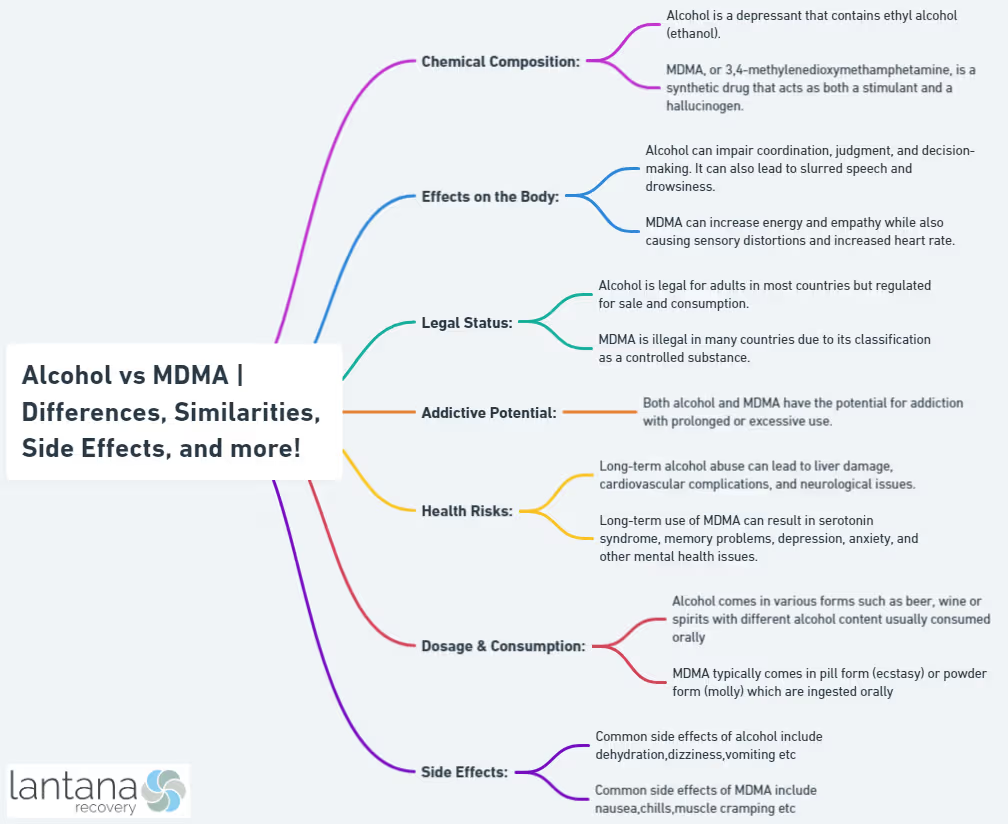
Alcohol, also known as ethyl alcohol or ethanol, is a psychoactive substance that is found in a wide variety of beverages, including beer, wine, and spirits. It is a central nervous system depressant, which means that it slows down the activity of the brain and body. Alcohol consumption affects the secretion of AVP, highlighting its biphasic effect on AVP secretion and the resulting net loss of water within a specific time frame.
When consumed, alcohol is rapidly absorbed into the bloodstream, and its effects can be felt within minutes. The effects of alcohol depend on the dosage and the individual’s tolerance, but generally, it causes feelings of relaxation, euphoria, and sociability at lower doses.
There are, however, many dangers associated with misusing or abusing alcohol, including liver damage, and depression.
Chemical Composition of Alcohol
The chemical composition of alcohol is C2H6O.
What is MDMA?
MDMA (3,4-methylenedioxy-methamphetamine) is a psychoactive drug that is known for its ability to produce feelings of euphoria, increased energy, and emotional warmth. It is often referred to as “ecstasy” or “molly” on the street. MDMA is usually consumed in pill or powder form and it’s often associated with the club or party scene. MDMA is often perceived as a 'dangerous drug' but is considered less dangerous than substances like alcohol, tobacco, or cannabis.
It is a stimulant that increases the activity of certain neurotransmitters in the brain, particularly serotonin, which is responsible for regulating mood, emotions, and social behavior.
Chemical Composition of MDMA
Chemically it is composed of a methylenedioxy ring, made up of two oxygen atoms joined together, and a methoxy group. The chemical formula for MDMA is C11H15NO2.
Ready to take the first step?
Speak with our admissions team 24/7 — free, confidential, and no obligation.
Alcohol vs. MDMA: Fact Sheet
Alcohol
MDMA
When comparing alcohol to MDMA, it is important to note that alcohol is often considered one of the most dangerous drugs, whereas MDMA is much less dangerous. Alcohol Molly, Ecstasy CNS Depressant Stimulant Ethanol 3,4-methylenedioxy-methamphetamine Killing germs None Liquid Pills 200 mg, 250 mg, 300 mg No Yes Unscheduled Schedule I Very low
MDMA Dosage and Side Effects:
The typical recreational dose of MDMA is between 75-150 mg, taken orally. It is important to note that the effects of MDMA can vary widely depending on the individual, the dosage, and the method of use. Additionally, MDMA is a Schedule I controlled substance in the United States, and its possession, sale, and use are illegal.
Moreover, frequent use of MDMA can cause a number of negative side effects on our bodies. These can include
-
Increased heart rate and blood pressure: MDMA can cause the heart to pump harder, which can put a strain on the cardiovascular system and increase the risk of heart attack or stroke.
-
Nausea and vomiting: Some people may experience digestive inconvenience after taking MDMA.
-
Muscle tension: MDMA can cause muscle tension and jaw clenching, which can be uncomfortable or even painful.
-
Increased body temperature: MDMA can cause the body to overheat, which can lead to dehydration, hyperthermia, and in rare cases, organ failure.
-
Anxiety and paranoia: MDMA can cause feelings of anxiety and paranoia, which can be distressing.
-
Insomnia: Some people may find it difficult to sleep after taking MDMA as it is a CNS stimulant.
-
Depression and anxiety: Prolonged use of MDMA can lead to depression and anxiety.
It's important to remember that the MDMA sold on the street may contain other substances or contaminants, which can lead to dangerous or even fatal consequences. It's also crucial to note that the use of MDMA is illegal in most countries.
Alcohol Dosage and Side Effects:
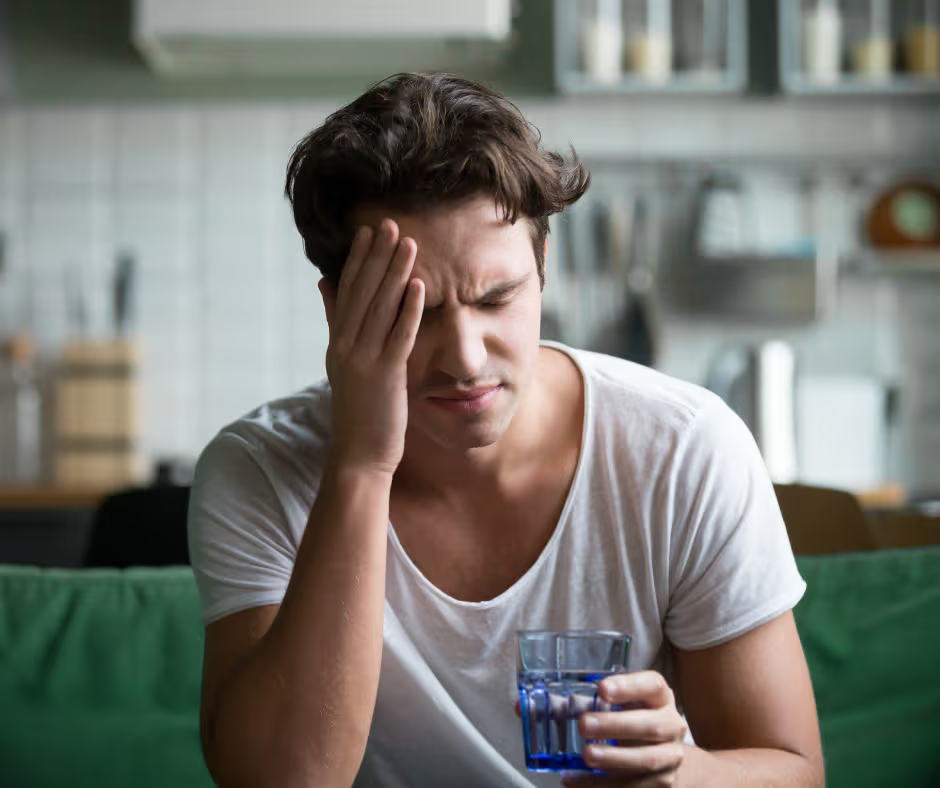
Alcohol is categorized as a CNS depressant, which implies that it slows down both body and brain activity, leading to a feeling of relaxation and calm. It is possible for alcohol's effects to vary depending on a person's tolerance and the amount consumed.
Some of the most often reported adverse consequences of excessive alcohol use include lightheadedness, nausea, vomiting, blurred vision, decreased coordination, and compromised judgment.
However, in extreme situations of intoxication, alcohol use can lead to respiratory depression, and organ failure caused by high levels of ethanol concentration in the bloodstream.
Alcohol abuse can cause long-term health problems such as scarring of the liver or alcohol poisoning. Plus, it can also result in psychological problems like depression and anxiety. However, by drinking alcohol moderately, one can reduce the risk of developing these health issues. Men can only consume a maximum of four drinks in a single day or 14 drinks per week, while women can only consume a maximum of three drinks in a single day or seven drinks per week, according to the Centers for Disease Control and Prevention (CDC).
For the majority of healthy adults, drinking alcohol is widely regarded as safe at these suggested levels. It is possible to experience adverse reactions if excessive amounts of alcohol are consumed regularly or all at once.
Verify your insurance in minutes
We’re in-network with major commercial plans. Find out what your coverage includes.
MDMA vs. Alcohol: Can You Withdrawal for Either?
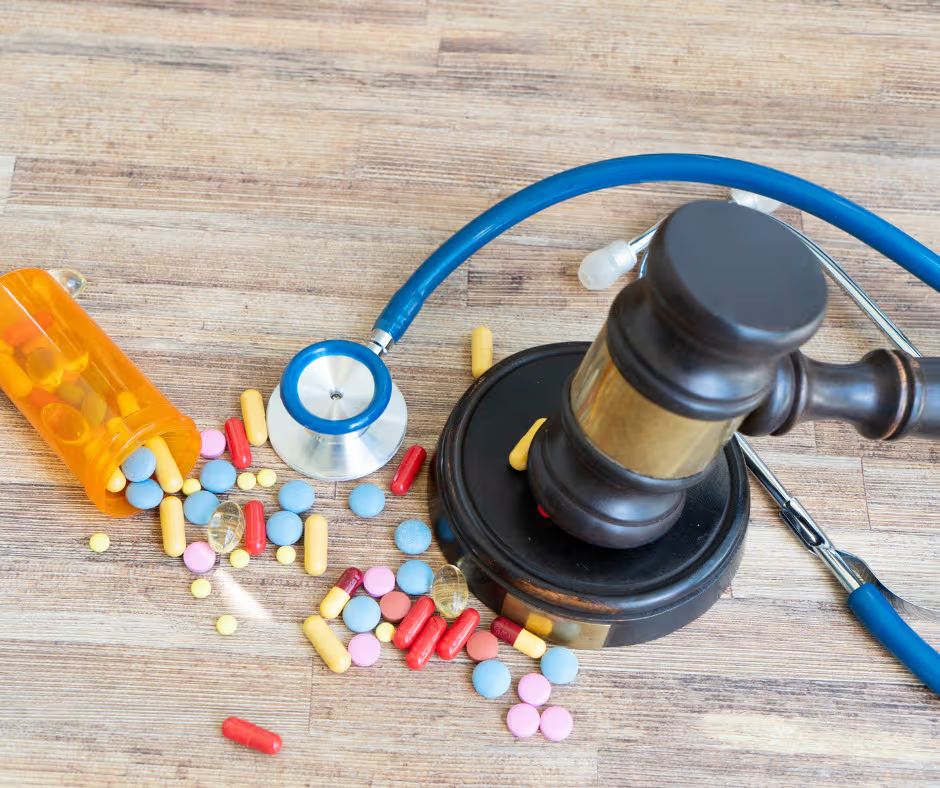
Yes, withdrawal is possible for both MDMA and alcohol. Withdrawal from MDMA can cause symptoms such as depression, anxiety, insomnia, fatigue, and irritability. These symptoms can last for several days to a few weeks, and in some cases, they can be severe and difficult to manage.
Withdrawal from alcohol can cause symptoms such as tremors, insomnia, anxiety, depression, and in severe cases, seizures or delirium tremens (DTs). The symptoms of alcohol withdrawal can be severe and can last for several days to a few weeks.
It's important to note that the severity of withdrawal symptoms will depend on several factors, including the individual's level of physical dependence, the duration of use, and the dosage. It's important to seek professional help to manage withdrawal symptoms, as they can be severe and difficult to manage on your own.
Medically assisted treatment, therapy, and support groups can be effective in helping individuals quit and recover from substance use disorder.
Alcohol vs MDMA: Prevalence in the United States
According to the 2020 National Survey on Drug Use and Health (NSDUH), an estimated 139.7 million people aged 12 or older (52.5%) reported using alcohol at least once in their life.
The same report estimates that 14.5 million people aged 12 or older (5.4%) had an alcohol use disorder in the past year. In 2019, an estimated 15,957 deaths occurred in the United States due to alcohol-induced causes, excluding accidents and homicides.
Centers for Disease Control and Prevention (CDC), more than 140,000 individuals die in America each year due to alcohol overdose. In 2019, alcohol was involved in 29% of motor vehicle deaths in the United States.
NIAAA, alcohol use disorder (AUD) is more common in men than women and is highest in adults ages 18–29. More importantly, AUD also increases polydrug use in teens and young adults, such as mixing alcohol with heroin, MDMA, opioids, etc.
The NSUDH 2020 drug report suggests that more than 2.6 million people reported taking MDMA (Ecstasy) in the past 12 months. Since then, these numbers have been rising due to the increased use of drugs in mainstream media, leading to more young individuals taking MDMA.
Bottom Line: Alcohol versus MDMA as Dangerous Drugs
Both alcohol and MDMA have been around for centuries with humans finding ways to utilize these substances for pleasure or medical reasons alike. However, it's important to understand their differences since they can have serious consequences when misused or abused over time leading to addiction or even death in extreme cases.
It is important that individuals understand the risks associated with each substance before making any decisions regarding their usage so that they can make informed choices regarding their health and well-being moving forward. With understanding comes responsibility, so make sure you know what you're getting yourself into before trying either substance out!
Ready to take the first step?
Speak with our admissions team 24/7 — free, confidential, and no obligation.
FAQs on MDMA and Alcohol
Can alcohol consumption increase the risk of cancer?
Yes, some studies have proved that alcohol can increase the risk of breast cancer in women and colon cancer in men.
Can we use Ketamine for treating alcohol use disorder?
Ketamine has been found to reduce cravings and decrease the risk of relapse in people with alcohol abuse disorder and heroin addiction.
Which is more addictive: Alcohol vs MDMA?
Both alcohol and MDMA have the potential to be addictive, but alcohol is considered to be more addictive than MDMA.
In-Network With Major Insurance Providers











Not sure if you're covered? Verify your benefits in minutes — free & confidential.
Admissions
The Admissions Process
Starting treatment at Lantana Recovery is simple. Here's exactly what happens from your first call.
Call or Reach Out
Speak with a caring admissions specialist 24/7 — no pressure, completely confidential.
Verify Your Insurance
We confirm your in-network benefits for PHP, IOP, or outpatient detox — usually the same day.
Phone Assessment
A 10–15 minute ASAM-based assessment helps us understand your history and recommend the right level of care.
Clinical Review & Intake
Our team reviews your assessment, builds an individualized plan, and schedules your start date.
Client Stories
What clients say about Lantana
4.8★★★★★
125+ verified Google reviews
125+ verified Google reviews
“I spent a total of 11 weeks in Lantana programs — 6 weeks of PHP and 5 weeks in IOP. I am truly grateful for my experience with the staff and clients there. Although they are a newer program, they take client feedback to heart and are willing to work with you on your recovery and mental health goals. They changed my life.”
“This place is absolutely amazing, from the doctor to the therapists to the staff! They really care and they understand because most of them have been in our shoes. The women I was surrounded by were so uplifting — I was truly blessed to have gotten the help that I did from Lantana. They show you what it feels like to have sober fun! The people I met at Lantana will always have a special place in my heart.”
“I was referred to Lantana for aftercare and I'm so grateful I did it! The staff is so amazing and supportive. They listened to client feedback and made program enhancements. Ralph, Yana, Bill & Christian are so down to earth and easy to talk to! I will stay connected and look forward to alumni events!”
“This is my first experience with a recovery center. The entire staff was very true to me my entire stay. Jen delivered very powerful messages when she directed class. Scott totally gets me and is very easy to talk to. Ashley is a powerful ball of energy and wonderful at what she does. William truly related to me and to what my needs were. I was blown away by the professionalism and structure that Lantana offered. Lantana has given me the tools and confidence that I need for a successful recovery!”
“I have a strong connection to Lantana Recovery in New Milford, CT. I have been able to stay sober for many years through this connection. The culture here supports a strong 12-step fellowship presence through sponsorship and step work for those who desire it. The staff here is amazing — supportive and helpful. They can even help with getting clients connected to the local recovery community. The location is perfect too, tucked into a quintessential New England downtown.”
“My only regret about this place is that I didn't come here sooner! I recently completed the PHP program here. I immediately felt a positive and welcoming energy walking through the doors. My recovery manager was on the ball and I immediately felt I could trust him. My therapist was amazing and I got a lot out of our one-on-ones and group sessions. The classes were very informative and helped me shape an entirely different perspective on life. I left there a different person. Thank y'all so much for helping me get my life back, my family back, and a strong foundation to build on.”
“My husband had been in and out of different facilities for a six-month period. Once he was moved to Lantana there was significant improvement almost immediately, and my husband was able to move through the program and succeed. Thank you to the team at Lantana for understanding his issues and working toward a recovery and a plan for him to move forward.”
“I arrived at Lantana a broken, miserable, lost soul. I left Lantana six weeks later with the knowledge and acceptance that I was an alcoholic. Lantana both saved my life and gave me life. I stayed at the mother's house for three months and attended IOP sessions three times weekly, which helped me grow in the understanding of my disease and how to cope. Almost 7 months after discharge, I stay in touch with these beautiful souls. I am 69 and have such faith, joy, and curiosity in the life I have left to live.”
“This program and staff saved my son's life. They are kind and compassionate and treated us with respect. Addiction is a powerful disease and cannot be battled alone — it takes an army, and Lantana has built a great force to help families with that battle. We could not be more grateful for Mark, Mike, Christian and the entire team.”
“Lantana provides amazing opportunities for people to succeed. The staff and therapists are extremely knowledgeable and helpful. I had a great experience.”
“Lantana has consistently helped clients of mine that have gone through their programs. The clinical staff is top notch and their support staff are equally impressive at providing excellent care to clients. After 15 years of working in the treatment field I am still very confident when I refer families to Lantana for help with their loved ones.”
“Before I went to Lantana I was living an absolute mess of a life. This establishment has given me the tools to a better way of living! Everyone's experience is different — they teach you to take accountability for yourself. You get out what you put in, and they REALLY care and support you. Loving and caring staff that has your back. Reach out and get help if you need it!”
“The program at Lantana is wonderful. I went to Lantana directly after leaving a 30-day inpatient program and this was the best decision. The program helped me learn many coping skills for my recovery. The entire staff is amazing — they even helped with aftercare once I completed the program. I can't say enough about how wonderful this experience was.”
“Lantana saved my life. I've been to multiple rehabs and Lantana stands out. Such a great staff. They helped me build a foundation and I'm now over 2 years sober. They teach you how to live life and have fun again, without substances.”
“Lantana Recovery is amazing! I can't say enough great things about this treatment center. They genuinely care and have a team that truly puts recovery first. The staff is compassionate and knowledgeable, creating a safe and supportive environment for healing. They don't just treat the addiction — they care for the whole person, offering tools and guidance that really make a difference. I highly recommend this center to anyone seeking real, lasting recovery!”
Lantana Recovery Has Been Featured In





Chat with us.
We're here to help you or your loved one on their path to sobriety — free, confidential, and available 24/7.

Structure, support, and a team that knows your name — starting this week.
Five minutes. One real person on the other end — day or night. No pressure, no obligation, just honest answers about what comes next.
Answered 24/7 · ★ 4.8 on Google (125+ reviews) · Free & confidential · HIPAA & 42 CFR Part 2 protected