

“I've built a great relationship with this team and truly enjoy working with them. The staff is approachable, compassionate, and genuinely invested in the people they serve. They communicate openly, follow through, and treat both clients and referral partners with respect and care. It's clear that recovery is more than a job to them—it's a mission. I trust this program and feel confident referring individuals knowing they'll be supported every step of the way!”
BlogIn-Network With Major Insurance
Adderall vs Cocaine: Differences, Risks, and Effects
Compare the stimulant mechanisms of Adderall and cocaine, why both carry addiction potential, and how Lantana Recovery treats stimulant use disorders through PHP and IOP.
- Answered 24/7, every call
- 100% confidential — HIPAA & 42 CFR Part 2
- Adults 18+ · dual-diagnosis welcome
Accredited, Licensed & Trusted Since 2018
- 4.8 ★★★★★
125+ verified Google reviews  The Joint CommissionGold Seal of Approval
 South CarolinaDept. of Public Health
 ConnecticutDept. of Public Health
When it comes to stimulants, there are two primary substances that come to mind – cocaine and Adderall. Both of these drugs have almost the same effects on the human body, but they differ in many ways.
In this blog, we'll discuss the differences, similarities, side effects and more between cocaine and Adderall.
Adderall is a prescription medication used mainly to treat symptoms of attention deficit hyperactivity disorders (ADHD). It works by increasing the availability of certain brain chemicals, such as dopamine and norepinephrine, which affect focus and impulse control.
While its primary purpose is to help people with ADHD lead more productive lives by improving their ability to concentrate, Adderall also has off-label uses such as treating depression or aiding narcolepsy sufferers in staying awake. Adderall is a potent prescription drug.
While it can provide significant benefits, especially when taken as prescribed, improper use of Adderall can lead to serious health issues.
Adderall is an equal part mixture of four amphetamine salts; amphetamine aspartate monohydrate, amphetamine sulfate, dextroamphetamine sulfate, and dextroamphetamine saccharate.
What is Cocaine?
Cocaine is an alkaloid substance found in the leaves of a South American plant called the coca plant, native to the Andean region. It is a natural stimulant that acts on the central nervous system and increases levels of dopamine, which produces feelings of pleasure.
Cocaine acts very quickly within the body; its effects can be felt within minutes after ingestion, but they are short-lived, lasting between 15 minutes to an hour on average depending on how much was consumed. As such, users often binge on it in order to experience its full effects multiple times throughout a single session.
Chemical Composition of Cocaine
The chemical composition of cocaine consists primarily of a tropane alkaloid known as benzoylmethylecgonine, along with some other related compounds and impurities. This compound has a strong affinity for the dopamine, serotonin, and noradrenaline neurotransmitters in the brain, causing them to be released in large quantities when ingested.
It also inhibits their reuptake by blocking transporters for these neurotransmitters, resulting in an intense sensation of euphoria and alertness. The neurobiological aspects of cocaine dependence involve changes in brain activity and emotion, as well as the neural systems of reinforcement for drug addiction.
Ready to take the first step?
Speak with our admissions team 24/7 — free, confidential, and no obligation.
Adderall vs. Cocaine: Fact Sheet
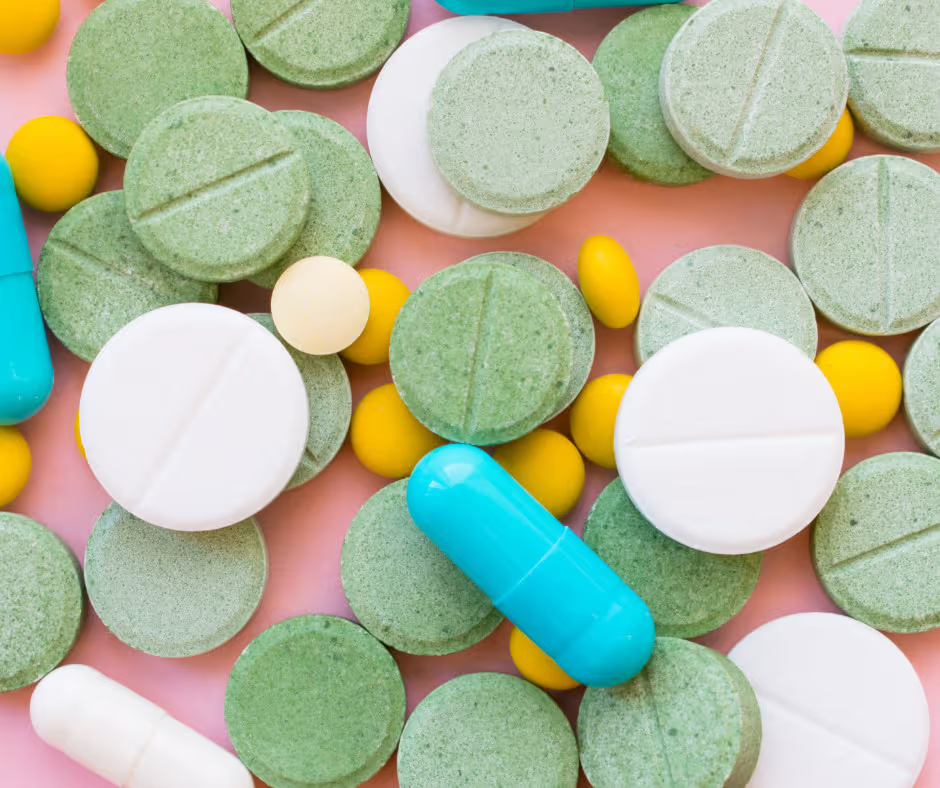
The biggest difference between cocaine and Adderall lies in their legal status; cocaine is an illegal drug while Adderall is an FDA-approved prescription medication for ADHD and narcolepsy treatment.
Moreover, the effects of cocaine last much shorter than those of Adderall (30 minutes vs 8+ hours)
|
Adderall |
Cocaine |
|
| Generic Name | Amphetamine/Dextroamphetamine | Cocaine |
| Drug Type | CNS Stimulant | CNS stimulant, Anesthetic |
| Active Ingredients | Amphetamine | Benzoylmethylecgonine |
| Used as treatment for: | ADHD and Narcolepsy | Anesthetic and painkiller |
| Available Form(s) | Both immediate and extended-release | Powder and liquid |
| Available Strengths |
|
|
| Is it a controlled substance? | Schedule 2 controlled substance | Yes, Schedule II drug |
| Legal Status | Can only be prescribed medically | Illegal, can only be prescribed medically |
| Risk of Withdrawal Effects | Yes | Yes |
| Risk of Addiction | Yes | Yes |
Cocaine Dosage and Side Effects:
Cocaine is a powerful stimulant drug that is commonly used for recreational purposes. It is typically snorted, injected, or smoked by changing it into crack. The effects of cocaine can vary depending on the route of administration, the dosage, and the individual user's characteristics.
The effects of cocaine can be felt within seconds to minutes after use, and they typically last for a few hours. Common effects of cocaine or crack use include increased alertness, energy, and feelings of euphoria, as well as increased heart rate, blood pressure, and body temperature.
Long-term use of cocaine can lead to addiction and can have negative effects on the cardiovascular, respiratory, and nervous systems. It can also cause significant damage to the nasal passages if it is snorted regularly.
There is no recommended safe dosage of cocaine, as it is an illegal drug with no medical use. The use of cocaine in any amount is considered abuse and can lead to serious health consequences and addiction. However, an average dosage used by most cocaine users is somewhere between 10-50 mg.
If you or someone you know is struggling with cocaine addiction, it is important to seek help from a qualified healthcare professional or addiction treatment center.
Adderall Dosage and Side Effects:
Adderall is a medication used to treat Attention Deficit Hyperactivity Disorder (ADHD) and narcolepsy. It is a stimulant drug that works by increasing the activity of certain chemicals in the brain, such as dopamine and norepinephrine.
Adderall is available in both immediate-release and extended-release forms. The dosage for Adderall varies from person to person based on their age, weight, medical condition, and response to treatment. Generally speaking, the recommended dose for adults with ADHD ranges from 5mg to 60mg per day, administered either once or twice daily.
As a psychoactive drug, Adderall has the potential for drug abuse, especially when used without medical supervision. The most common side effects of Adderall use include insomnia, headaches, decreased appetite, dry mouth, stomach upset, dizziness or lightheadedness, increased heart rate or blood pressure, and irritability.
In some cases more serious side effects can occur including changes in vision or hearing, chest pain, fast or irregular heartbeat, mental/mood changes such as agitation or hallucinations, difficulty urinating, and seizures.
People who take Adderall should speak with their doctor if any of these symptoms develop.
Verify your insurance in minutes
We’re in-network with major commercial plans. Find out what your coverage includes.
Cocaine vs. Adderall: Can You Experience Withdrawal Symptoms for Either?
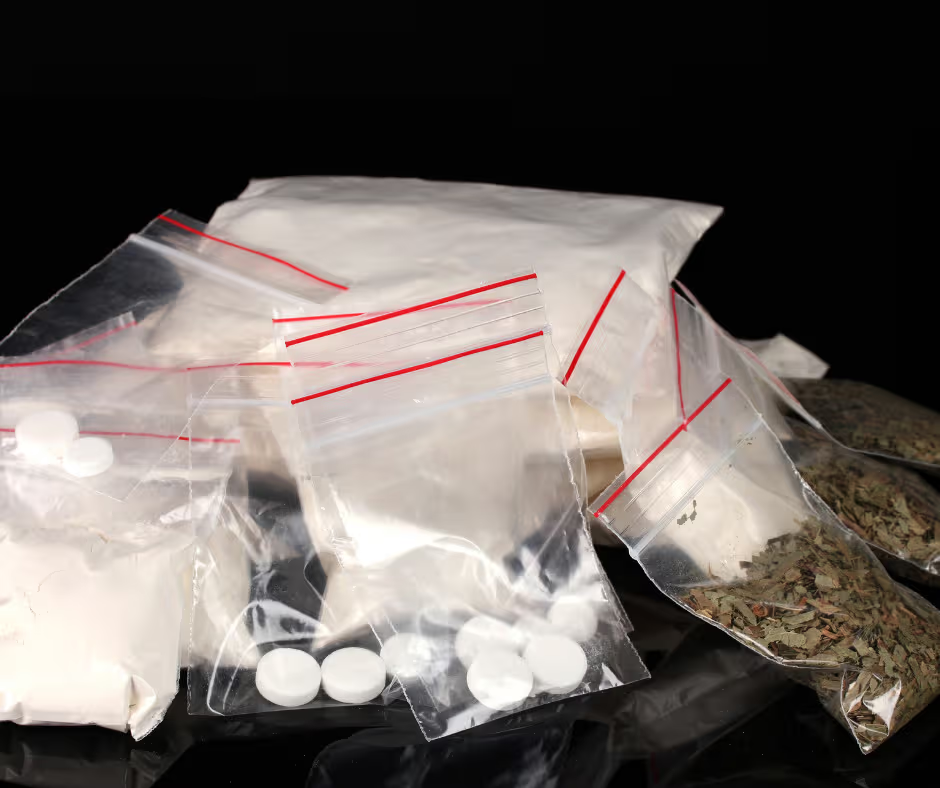
Both cocaine and Adderall are addictive stimulants that can cause physical and psychological dependence. Withdrawal from either drug can occur when someone has been using the drug regularly and then stops or significantly reduces their use.
Cocaine is a powerful stimulant drug that is made from the leaves of the coca plant. It is typically used by snorting, smoking, or injecting it, and it can produce a powerful and short-lived high. Cocaine is highly addictive and can cause physical and psychological dependence. Withdrawal from cocaine can cause a range of symptoms, including fatigue, depression, irritability, and intense cravings for the drug.
Adderall is a prescription medication used to treat ADHD and narcolepsy. It contains amphetamine and dextroamphetamine, which are stimulant medications that can be addictive. Adderall is typically taken orally as a tablet or capsule. Withdrawal from Adderall can cause a range of symptoms, including fatigue, depression, irritability, and difficulty sleeping.
Withdrawal symptoms from these addictive stimulants can be severe and may include fatigue, depression, irritability, and intense cravings. It is important to seek addiction treatment to manage these symptoms and increase the chances of successful recovery.
It is important to note that withdrawal from either cocaine or Adderall can be dangerous and should be done under the supervision of a medical professional. Both drugs can cause serious side effects, and it is important to get treatment from a qualified healthcare provider to ensure a safe and successful recovery.
Adderall vs Cocaine: Prevalence of Prescription Stimulants in the United States
Recently, there has been a sharp increase in the misuse and abuse of stimulants by adults, which may be due to their supposed stimulatory effects on cognitive enhancement leading people to believe they can improve their chances when studying or performing tasks at work.
According to a 2020 report by Substance Abuse and Mental Health Services Administration (SAMHSA), the non-medical use of prescription stimulants like Adderall has increased significantly in recent years. In 2020, an estimated 10 million people aged 12 or older reported misusing prescription stimulants in the past year.
Approximately 33% of these individuals abused only cocaine, while 14% abused methamphetamine based drugs such as Adderall.
The same study suggests that the highest percentage (1.4 million) of misuse of central nervous stimulants is among individuals between the ages of 18 and 25. In US, almost 14 million individuals need some kind of treatment for substance abuse disorder, however, only 4 million of them seeked treatment from a special facility in the past year.
The number of overdose deaths involving cocaine has been increasing in recent years. According to the Centers for Disease Control and Prevention (CDC), the number of overdose deaths involving cocaine or psychostimulants increased by 42% between 2015 and 2016.
Bottom Line: Adderall versus Cocaine in Substance Abuse
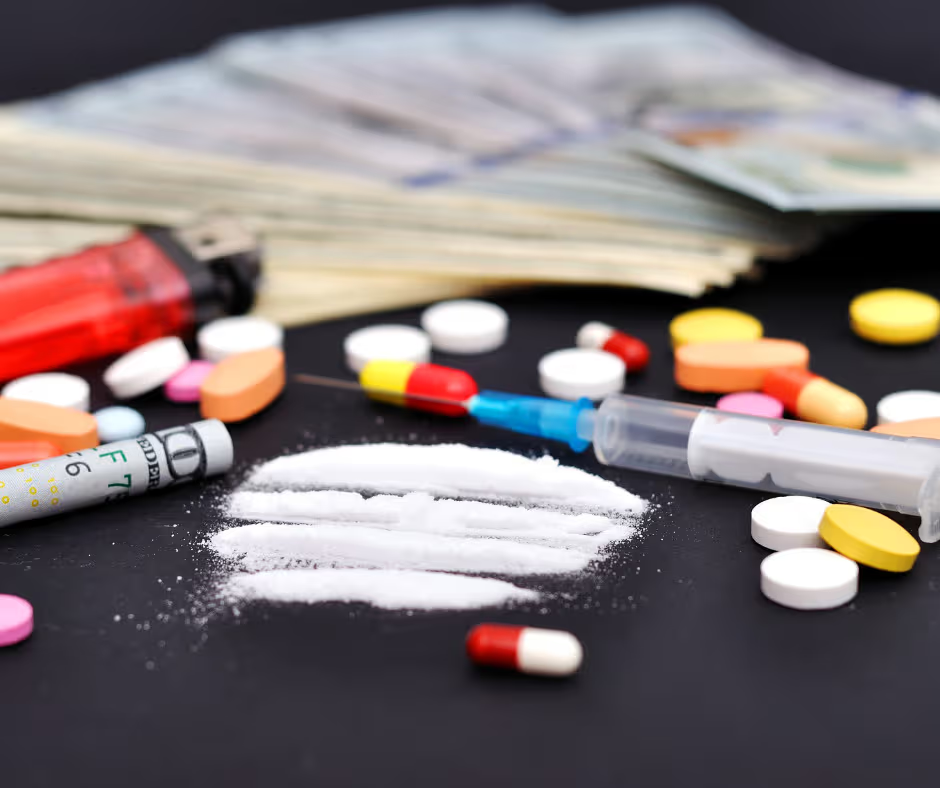
In summary, Adderall is a prescription medication used to treat certain medical conditions, while cocaine is an illicit stimulant drug that is commonly abused for its psychoactive effects. It is important to note that both drugs have a tendency to cause dependence and can cause serious side effects, and it is important to use them only as directed by a qualified healthcare provider.
Ready to take the first step?
Speak with our admissions team 24/7 — free, confidential, and no obligation.
FAQs on Cocaine and Adderall
Is mixing Cocaine and Adderall dangerous?
Yes, mixing cocaine and adderall is dangerous as both are stimulants which can cause your brain to go into overdrive, lead to high blood pressure, and increased heart beating. In some cases, mixing these two drugs can lead to overdose or even death.
Which is more addictive, Cocaine or Adderall as Addictive Stimulants?
Cocaine is more addictive than Adderall as it is short -lived, which means users need to use it more frequently in order to feel its effects.
How long does cocaine stay in your blood?
Cocaine stays in your blood for up to 2 days.
In-Network With Major Insurance Providers













Not sure if you're covered? Verify your benefits in minutes — free & confidential.
Admissions
The Admissions Process
Starting treatment at Lantana Recovery is simple. Here's exactly what happens from your first call.
Call or Reach Out
Speak with a caring admissions specialist 24/7 — no pressure, completely confidential.
Verify Your Insurance
We confirm your in-network benefits for PHP, IOP, or outpatient detox — usually the same day.
Phone Assessment
A 10–15 minute ASAM-based assessment helps us understand your history and recommend the right level of care.
Clinical Review & Intake
Our team reviews your assessment, builds an individualized plan, and schedules your start date.
Client Stories
What clients say about Lantana
4.8★★★★★
125+ verified Google reviews
125+ verified Google reviews
“I spent a total of 11 weeks in Lantana programs — 6 weeks of PHP and 5 weeks in IOP. I am truly grateful for my experience with the staff and clients there. Although they are a newer program, they take client feedback to heart and are willing to work with you on your recovery and mental health goals. They changed my life.”
“This place is absolutely amazing, from the doctor to the therapists to the staff! They really care and they understand because most of them have been in our shoes. The women I was surrounded by were so uplifting — I was truly blessed to have gotten the help that I did from Lantana. They show you what it feels like to have sober fun! The people I met at Lantana will always have a special place in my heart.”
“I was referred to Lantana for aftercare and I'm so grateful I did it! The staff is so amazing and supportive. They listened to client feedback and made program enhancements. Ralph, Yana, Bill & Christian are so down to earth and easy to talk to! I will stay connected and look forward to alumni events!”
“This is my first experience with a recovery center. The entire staff was very true to me my entire stay. Jen delivered very powerful messages when she directed class. Scott totally gets me and is very easy to talk to. Ashley is a powerful ball of energy and wonderful at what she does. William truly related to me and to what my needs were. I was blown away by the professionalism and structure that Lantana offered. Lantana has given me the tools and confidence that I need for a successful recovery!”
“I have a strong connection to Lantana Recovery in New Milford, CT. I have been able to stay sober for many years through this connection. The culture here supports a strong 12-step fellowship presence through sponsorship and step work for those who desire it. The staff here is amazing — supportive and helpful. They can even help with getting clients connected to the local recovery community. The location is perfect too, tucked into a quintessential New England downtown.”
“My only regret about this place is that I didn't come here sooner! I recently completed the PHP program here. I immediately felt a positive and welcoming energy walking through the doors. My recovery manager was on the ball and I immediately felt I could trust him. My therapist was amazing and I got a lot out of our one-on-ones and group sessions. The classes were very informative and helped me shape an entirely different perspective on life. I left there a different person. Thank y'all so much for helping me get my life back, my family back, and a strong foundation to build on.”
“My husband had been in and out of different facilities for a six-month period. Once he was moved to Lantana there was significant improvement almost immediately, and my husband was able to move through the program and succeed. Thank you to the team at Lantana for understanding his issues and working toward a recovery and a plan for him to move forward.”
“I arrived at Lantana a broken, miserable, lost soul. I left Lantana six weeks later with the knowledge and acceptance that I was an alcoholic. Lantana both saved my life and gave me life. I stayed at the mother's house for three months and attended IOP sessions three times weekly, which helped me grow in the understanding of my disease and how to cope. Almost 7 months after discharge, I stay in touch with these beautiful souls. I am 69 and have such faith, joy, and curiosity in the life I have left to live.”
“This program and staff saved my son's life. They are kind and compassionate and treated us with respect. Addiction is a powerful disease and cannot be battled alone — it takes an army, and Lantana has built a great force to help families with that battle. We could not be more grateful for Mark, Mike, Christian and the entire team.”
“Lantana provides amazing opportunities for people to succeed. The staff and therapists are extremely knowledgeable and helpful. I had a great experience.”
“Lantana has consistently helped clients of mine that have gone through their programs. The clinical staff is top notch and their support staff are equally impressive at providing excellent care to clients. After 15 years of working in the treatment field I am still very confident when I refer families to Lantana for help with their loved ones.”
“Before I went to Lantana I was living an absolute mess of a life. This establishment has given me the tools to a better way of living! Everyone's experience is different — they teach you to take accountability for yourself. You get out what you put in, and they REALLY care and support you. Loving and caring staff that has your back. Reach out and get help if you need it!”
“The program at Lantana is wonderful. I went to Lantana directly after leaving a 30-day inpatient program and this was the best decision. The program helped me learn many coping skills for my recovery. The entire staff is amazing — they even helped with aftercare once I completed the program. I can't say enough about how wonderful this experience was.”
“Lantana saved my life. I've been to multiple rehabs and Lantana stands out. Such a great staff. They helped me build a foundation and I'm now over 2 years sober. They teach you how to live life and have fun again, without substances.”
“Lantana Recovery is amazing! I can't say enough great things about this treatment center. They genuinely care and have a team that truly puts recovery first. The staff is compassionate and knowledgeable, creating a safe and supportive environment for healing. They don't just treat the addiction — they care for the whole person, offering tools and guidance that really make a difference. I highly recommend this center to anyone seeking real, lasting recovery!”
Lantana Recovery Has Been Featured In





Chat with us.
We're here to help you or your loved one on their path to sobriety — free, confidential, and available 24/7.

Structure, support, and a team that knows your name — starting this week.
Five minutes. One real person on the other end — day or night. No pressure, no obligation, just honest answers about what comes next.
Answered 24/7 · ★ 4.8 on Google (125+ reviews) · Free & confidential · HIPAA & 42 CFR Part 2 protected